By
By A defrosting freezer that drips across the truck floor, a washing machine that soaks a stack of boxes because nobody drained the hose, a television with a cracked panel because it rode loose in the back seat — these are the small disasters that turn a well-planned move into a long apology. Almost none of them are the crew’s fault, and almost all of them trace back to a machine that wasn’t ready when the movers arrived.
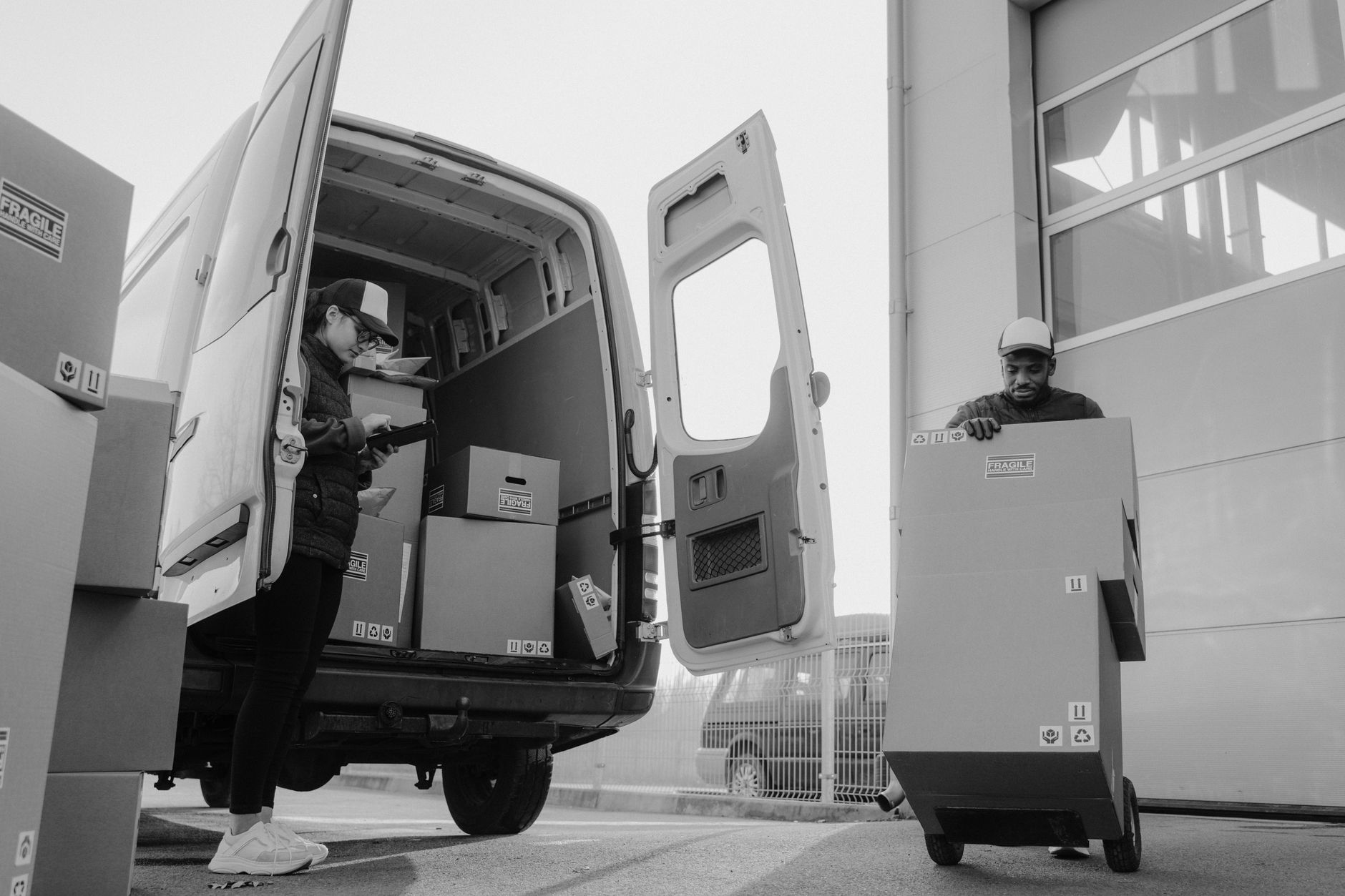
Appliances and electronics are the items people assume the professionals will simply handle. In truth, the crew can lift and load them, but they can’t undo a day’s worth of preparation in the twenty minutes it takes to fill a truck. The disconnecting, draining, and powering down has to happen before the doorbell rings. What follows is a room-by-room list you can work through in the days ahead so nothing on wheels or a screen becomes the reason your move runs late.
Draining, Defrosting, and Disconnecting in the Kitchen and Laundry Room
Start with the refrigerator, because it needs the most lead time. Empty it, unplug it, and prop the doors open at least 24 hours before moving day so the freezer fully defrosts and the interior dries. A fridge that goes onto the truck with ice still melting inside will leave a puddle wherever it lands. Wipe down the shelves, tape them in place or pack them separately, and coil the power cord against the back.
The washing machine is the other frequent culprit. Turn off the water supply valves, disconnect the hoses, and let them drain completely into a bucket — there is always more water sitting in them than you expect. On front-loaders, check whether your model needs shipping bolts reinstalled to lock the drum; skipping that step can wreck the suspension in transit. Run the dishwasher empty on a short cycle a day ahead, then disconnect it and towel out the base. For the stove, unplug an electric range or have a professional cap a gas line before the day arrives, and remove the racks and any loose burner grates.
If any of this feels like more than you want to sort out alone, it’s worth asking your movers what they will and won’t touch. A local outfit such as two men and a truck london can tell you plainly which appliances they’ll disconnect and which they expect ready to roll, and knowing that split ahead of time keeps the morning from stalling while someone hunts for a wrench. Clarify it during booking, not on the driveway.
Once each machine is drained and cool, tape the doors shut, label the cords, and set the small removable parts — shelves, trays, hoses, bolts — into a single clearly marked box so nothing arrives at the new place orphaned.
Powering Down and Packing Your Screens and Devices
Electronics fail quietly. A television survives the loading and only shows its cracked panel when you set it up in the new living room, which is exactly why a photograph of the back of every device pays off. Snap a picture of the cable layout before you unplug anything, so reconnecting your entertainment setup or home office isn’t a guessing game later.
Power everything down properly rather than yanking cords. Bundle each device’s cables with a tie and bag them beside the unit they belong to. Flat screens should travel upright, never flat, ideally in their original box or a padded television carton — a screen laid down can flex and crack under its own weight. Back up your computer before the move, and consider carrying laptops, hard drives, and anything irreplaceable in your own vehicle rather than the truck. Remove ink cartridges from printers, and pop the batteries out of remotes and small electronics so nothing leaks or switches on during the ride.
The Final Sweep Before the Truck Backs In
On the morning of the move, walk the house once more before the crew arrives. Confirm the fridge and freezer are dry, the washer hoses are capped, and every appliance is unplugged with its cord secured. Check that the screens are boxed upright and the cable bags are taped to their devices. Clear a path from each machine to the door so nothing has to be maneuvered around clutter.
Keep it simple with a short pre-arrival checklist:
- Fridge and freezer defrosted, dried, and doors taped shut.
- Washer and dishwasher drained, hoses and shipping bolts handled.
- Screens boxed upright, cables photographed and bagged.
- Valuables and drives riding with you, not on the truck.