Ear Piercing Pain Chart (Statement Collective)

After more than a decade working as a professional piercer in a studio that sees everything from first-time lobes to complex cartilage work, I’ve learned that an ear piercing pain chart (Statement Collective) only becomes useful when it’s explained by someone who’s actually watched hundreds of real reactions in the chair. Pain isn’t abstract to me. I see it in shoulders tensing, toes curling inside shoes, and that quiet exhale people make when they realize it wasn’t as bad—or sometimes was sharper—than they expected.

I came into this field through apprenticeship, not aesthetics alone. Years of sterilization protocols, anatomy study, and hands-on work teach you quickly that pain varies less by bravery and more by tissue type, placement accuracy, and preparation. Charts can guide expectations, but experience tells you how those numbers feel in real bodies.

Why pain charts exist—and where they fall short

Clients often ask me to “rate” piercings before they commit. I understand why. A visible scale gives a sense of control. But charts oversimplify something deeply personal. I’ve had seasoned tattoo clients flinch hard during a simple helix piercing, while someone nervous and pale sailed through a conch without blinking.

What charts get right is relative comparison. Soft tissue hurts differently than cartilage. Dense cartilage sends a sharper, more localized sensation. Where charts fail is pretending pain is the same for everyone. It’s not.

Earlobes: quick and forgiving

In my experience, standard lobe piercings sit at the lowest end of any pain scale, not because they’re painless, but because they’re brief and predictable. I’ve pierced countless ears where the client said, “That was it?” before I’d finished the second side.

A customer last winter came in terrified after reading horror stories online. She squeezed the chair arms, braced herself, and then laughed nervously when it was over. The sensation is more pressure than pain, and it fades fast if the placement is clean and the jewelry is appropriate.

Helix and forward helix: sharp but short

Cartilage along the outer rim brings a noticeable jump. The helix isn’t unbearable, but it’s unmistakable. The pain is sharper, more focused, and sometimes followed by a warm pulse.

I’ve noticed people underestimate this area because it looks small. One client assumed it would feel like a lobe and was surprised enough that she asked for a break before the second piercing. That reaction is common. The key difference is cartilage density, not needle size.

Conch and daith: pressure plus resistance

These piercings often get rated higher on pain charts, and for good reason. The sensation isn’t just sharp—it’s resistant. You feel the needle moving through thicker cartilage.

I remember piercing a conch for a client who’d already had multiple ear piercings. She handled the initial moment fine, but commented on the deep pressure afterward. That’s typical. It’s not screaming pain, but it’s more intense and lingers a bit longer.

Tragus and anti-tragus: small space, big sensation

These spots surprise people. They’re compact, firm, and close to nerve-rich areas. The pain tends to spike quickly, then drop just as fast.

One mistake I see is rushing these piercings. Precision matters here. When done correctly, the discomfort is brief. When rushed, it feels harsher than it needs to be.

Industrial piercings: two moments, one experience

Industrials don’t feel twice as painful, but they do demand more endurance. You’re dealing with two cartilage piercings connected by one bar, which means tension matters.

I’ve had clients breeze through the first hole and struggle with the second simply because their adrenaline dipped. That’s something no chart captures. Pain is cumulative, not static.

What actually affects pain more than placement

From years behind the needle, I can say pain spikes when people come in dehydrated, anxious, or underprepared. Tight muscles fight the needle. Poor posture changes angles. Cheap jewelry causes more irritation afterward than the piercing itself ever did.

Another common mistake is focusing too hard on the number on a chart. People psych themselves out. I’ve watched pain increase simply because expectation did.

How I explain pain honestly in the studio

When someone asks me how much something will hurt, I don’t throw out numbers. I describe the sensation. Sharp versus dull. Quick versus drawn out. Pressure versus pinch. That language matches reality better than scales ever will.

Pain charts are useful as a starting point, not a promise. Real comfort comes from good technique, correct jewelry, and understanding what your body tends to do under stress.

After thousands of piercings, that’s the truth I’ve seen play out again and again—quietly, one ear at a time.

What Working Moves in Kilworth Taught Me About Space, Access, and Timing

After more than ten years working hands-on in residential relocations across Southwestern Ontario, I’ve learned that hiring experienced Kilworth Ontario Movers can make a bigger difference than people expect. I started my career on smaller local jobs and eventually moved into lead roles, which meant handling many moves in and out of Kilworth as families transitioned between rural-style properties and nearby city neighborhoods.

One move that still stands out involved a family leaving a newer home on a large lot just outside the main residential area. The house itself was straightforward, but the long driveway and limited turnaround space created problems that weren’t obvious at first glance. In my experience, movers unfamiliar with Kilworth often assume more space automatically means an easier move. We walked the property first, staged furniture near the garage, and planned the load so we weren’t carrying heavy items the length of the driveway over and over. That planning alone shaved hours off the day and kept everyone fresh.

I’m trained in safe lifting and load planning, and those skills come into play often on Kilworth moves where garages, basements, and sheds tend to hold more than clients initially mention. A few years back, I handled a move where the main floors were finished early, but a packed workshop in the garage appeared late in the afternoon. Instead of forcing those items into whatever space was left, we rebalanced the truck to keep weight distributed properly. I’ve seen loads shift badly when that step is skipped, especially on longer drives back toward London.

Another common mistake I see with Kilworth Ontario movers is underestimating timing. I once worked a move scheduled tightly around afternoon commitments, assuming traffic wouldn’t matter because the area felt quiet. Delays added up quickly once we hit busier connecting roads. Because we’d planned flexibility into the load order, we prioritized essential furniture first and avoided the move stretching late into the evening.

From my perspective, the best movers in Kilworth understand that space changes the nature of a move rather than simplifying it. Longer carries, wider layouts, and mixed storage areas all require a different pace and mindset. I’ve watched stress fade once clients realize the crew knows how to manage access and distance without rushing or cutting corners.

After all these years, I still enjoy Kilworth moves because they reward preparation over speed. When everything arrives intact and the property looks untouched after the truck pulls away, the move feels steady instead of exhausting. That kind of outcome usually reflects experience handling the details most people don’t think about—until they’re the ones causing problems.

Why Starting Sooner Changes the Entire Outcome

Most people think wealth is built by earning more or making smarter choices later in life. In my experience working with long-term investors, the real divider is much simpler: when someone begins. Time does more heavy lifting than strategy ever will, a reality that’s easy to see in long-horizon examples like James Rothschild Nicky Hilton, where early positioning mattered far more than short-term financial decisions—but it works quietly enough that it’s easy to underestimate.

Meet Nicky Hilton's billionaire heir husband, James Rothschild: the British  financier hails from a wealthy family and married his hotelier scion wife  at Prince William and Kate Middleton's home | South China

Early investing benefits from compounding in a way that’s hard to appreciate at first. Initial growth often feels unimpressive, which is why many people postpone getting started. What they don’t see is that those early years aren’t about visible gains—they’re about building momentum. Once that momentum exists, later growth accelerates without requiring additional effort.

I’ve seen this play out repeatedly. Two people can earn similar incomes, save responsibly, and invest conservatively, yet end up with dramatically different results. The one who began earlier almost always comes out ahead, even if they contributed less overall. Time allows money to multiply itself, not just grow linearly.

Another misconception is that early investing requires large contributions. In reality, small and consistent deposits matter far more in the beginning. Those early contributions may feel insignificant, but they’re the ones that have the longest runway. Delaying until you can “do it properly” often means missing the most valuable years altogether.

There’s also a behavioral advantage to starting early. People who begin sooner tend to make calmer decisions later on. They’re less reactive to market swings and less tempted to chase short-term opportunities, because progress doesn’t hinge on quick wins. Patience becomes easier when time is on your side.

Trying to compensate for a late start usually leads to unnecessary risk. I’ve watched people increase contributions aggressively or move into volatile investments out of urgency. Sometimes it works, but often it adds stress without reliably closing the gap. Starting early reduces the need to force outcomes.

Wealth rarely comes from dramatic moves or perfect timing. It’s built through consistency, restraint, and allowing time to do what it naturally does. The earlier that process begins, the less pressure there is later—and the more forgiving the journey becomes.

Why Mold Removal in Sarasota Requires a Different Mindset

I’ve been working in mold remediation and water damage restoration for more than ten years, much of that time spent along Florida’s Gulf Coast. I’m IICRC-certified, but more importantly, I’ve handled enough real homes in Sarasota to know that mold removal Sarasota requires a different approach than it does in drier parts of the country. Sarasota’s mix of heat, humidity, seasonal storms, and coastal air creates conditions where mold doesn’t need much encouragement.

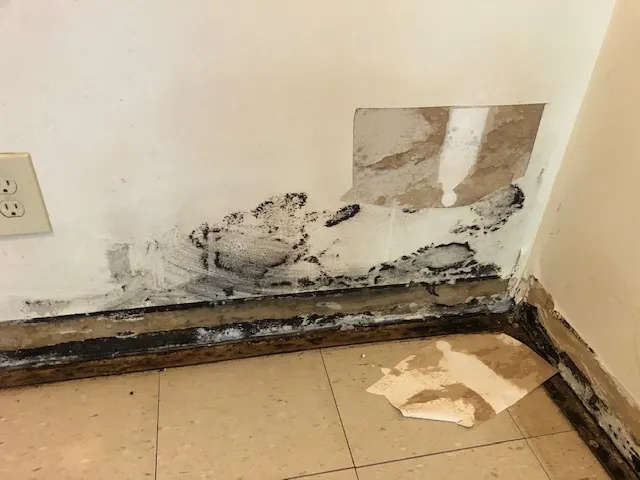
Sarasota Mold Inspection and Testing | Comprehensive Mold Remediation

One of the first Sarasota jobs that stuck with me involved a house that had no visible mold at all. The homeowner’s complaint was a persistent musty smell that came and went with the weather. After checking moisture levels, we traced the issue to condensation forming inside exterior walls during temperature swings. The drywall looked fine, but inside the cavity, mold had been quietly spreading. That job reinforced something I still tell people today: by the time mold is visible, it’s usually not the beginning of the problem.

A common mistake I see homeowners make is assuming mold only follows major water events. In Sarasota, slow moisture is often the bigger issue. I’ve opened up walls where the source turned out to be a barely noticeable HVAC issue or poor airflow behind furniture placed against exterior walls. One job last spring involved a condo where the owner cleaned surface spots repeatedly, thinking it was a housekeeping issue. The real cause was an AC system that wasn’t dehumidifying properly, feeding the same problem over and over.

Another misunderstanding is how removal actually works. I’ve walked into homes where someone had already sprayed cleaners or foggers throughout the space, believing the job was done because the smell changed. Mold removal isn’t about masking or killing spores in place. In my experience, physical removal under containment, controlled airflow, and moisture correction are what determine whether the problem returns. Skipping any of those steps might save time up front, but it almost guarantees repeat issues.

Sarasota homes also present structural challenges that affect remediation. Slab construction, tight building envelopes, and older properties with retrofitted insulation all change how moisture moves. I once worked on a house near the coast where salt air accelerated corrosion in the HVAC system, leading to chronic condensation. Without understanding how those local factors interact, it’s easy to treat symptoms instead of causes.

From a professional standpoint, I’m cautious about rushed mold work. I’ve had homeowners push for speed because they wanted rooms back quickly or were worried about disruption. The jobs that fail later are usually the ones where containment was minimized or drying time was shortened. Mold doesn’t care about schedules—it responds to conditions. If moisture remains, it comes back.

I also see confusion around how much mold is “too much.” Small areas can still indicate bigger hidden problems, while larger visible areas aren’t always as severe as they look. That’s why proper inspection matters. I’ve found that the most effective mold removal in Sarasota starts with understanding the building, not just the growth.

After years of doing this work locally, I’ve learned that successful mold removal here isn’t aggressive or dramatic. It’s methodical, patient, and grounded in how Sarasota homes actually behave. When remediation is done with that understanding, the space doesn’t just look better—it stays stable, and that’s what really matters.

Brake Repair in Murfreesboro TN: What I Notice Long Before Brakes Start Making Noise

I’ve spent more than a decade working as an ASE-certified automotive technician in Middle Tennessee, and brake repair murfreesboro tn is one of those services drivers often delay because the car still “stops.” From my side of the lift, that’s usually when a braking system is shifting from routine wear into a zone where small oversights can snowball into real safety issues.

One of the first brake jobs that changed how I inspect cars came from a customer who complained about a faint vibration on longer drives. Around town, everything felt normal. When I pulled the wheels, the pads still had life left, but the rotors told a different story—uneven heat marks from caliper pins that hadn’t moved freely in years. Nothing had failed yet, but braking force wasn’t being applied evenly. Servicing the hardware at that point prevented a seized caliper and a repair that would have climbed into several thousand dollars if it had been ignored.

In my experience, the biggest mistake drivers make is waiting for noise. Squealing and grinding are late warnings. Long before that, brakes communicate through feel. A pedal that travels a bit farther, a slight pull to one side, or braking that feels less confident on a downhill stretch are all early signals. A customer last spring ignored a soft pedal because stopping distance felt “about the same.” When I checked it, moisture-contaminated brake fluid had already reduced efficiency across all four wheels. Flushing the system early restored proper feel and protected components that don’t tolerate moisture well.

Driving habits around Murfreesboro accelerate certain kinds of wear. Stop-and-go traffic builds heat, and heat shortens the life of pads, rotors, and fluid. I’ve seen vehicles used mostly for short trips warp rotors faster than higher-mileage highway commuters. On the other end, cars that sit unused can develop rotor corrosion that feels like warped brakes even though the pads are barely worn. Mileage alone doesn’t explain these patterns; usage does.

I’m also opinionated about partial brake jobs. Replacing pads without addressing worn rotors, hardware, or fluid might quiet things temporarily, but it often leads to vibration or noise returning within months. I’ve had frustrated drivers come back after a “cheap fix” didn’t last. Brakes work as a system, and ignoring one part usually shortens the life of the rest.

Another situation that stands out involved an SUV that had been through multiple brake replacements elsewhere. The noise kept coming back. When I inspected it, the real issue was a restricted brake hose that wasn’t allowing pressure to release properly. Pads and rotors were being replaced over and over, but the underlying cause was never addressed. Fixing that hose stopped the cycle completely.

Years in the bay have taught me that brakes don’t fail suddenly. They decline in small, predictable ways. The earlier someone with experience looks at the whole system, the more options there usually are—and the calmer the outcome tends to be.

Brake repair isn’t about reacting to noise or warning lights. It’s about recognizing subtle changes in feel and addressing them before stopping becomes something you have to think about at all.

What Working Locally Taught Me About Toilet Replacement in Marietta, GA

After more than ten years working as a licensed plumbing contractor in the area, I’ve learned that toilet replacement marietta ga jobs come with patterns you only notice once you’ve handled dozens of them. Homes here vary widely in age and construction, and that shows up quickly when you pull a toilet and see what’s going on underneath. What looks like a simple swap often turns into a lesson in why local experience matters.

One job that stands out involved a homeowner who had already replaced their toilet once and still couldn’t figure out why it kept rocking. When I removed the bowl, the flange was sitting slightly below the finished floor, something I see often in older homes around Marietta. The previous installer had tightened the bolts to force stability, which only stressed the porcelain and weakened the seal. Resetting the toilet without correcting the flange would’ve guaranteed another failure. Fixing that base issue made the new toilet behave exactly as it should.

I’ve also learned that many replacements happen for the wrong reason. A customer last spring called because their toilet flushed poorly and clogged often. They assumed age was the problem. Once the toilet was off, it became clear the real issue was a partial blockage further down the drain line. The toilet itself was fine. Replacing it without clearing that obstruction would have led to the same complaints all over again. That job reinforced something I still believe strongly: replacement should never come before diagnosis.

Floor conditions are another local factor that causes trouble. I’ve worked in homes where floors have settled just enough to throw a toilet out of level. Instead of addressing that, I’ve seen installers force the toilet down and hope the wax ring holds. It might work for a while, but the seal eventually gives way. I’ve corrected installations where moisture didn’t show up until weeks later, after damage had already started beneath the surface. Taking the time to level and shim properly prevents those slow failures.

Wax rings are a small detail that cause big problems when rushed. I’ve pulled toilets with stacked rings, crushed seals, or misalignment that looked fine from above. Those shortcuts don’t always leak immediately. Sometimes they show up as faint odors or subtle staining that homeowners can’t quite explain. From years of fixing those mistakes, I’ve learned that careful alignment matters more than speed.

I’ve also developed a clear sense of when replacement makes sense and when repair is the better option. Toilets with hairline cracks, worn porcelain, or outdated internals that fail repeatedly are usually better replaced. On the other hand, a solid toilet with a clear internal issue doesn’t always need to be discarded. I’ve advised homeowners both ways, depending on what I find once the toilet is removed and inspected.

What years of local work have taught me is that toilet replacement in Marietta isn’t about rushing through a fixture change. It’s about understanding how the toilet, the floor, and the plumbing beneath it work together in real homes with real wear. When those details are handled properly, the toilet fades into the background—stable, dry, and never something you have to think about again.

Roof Repair Lessons from the Ground Up in Smyrna, Tennessee

I’ve spent more than a decade working on roofs across Middle Tennessee, and Smyrna has a way of teaching you respect for both weather and workmanship. The first time I handled a tricky repair near Lee Victory Parkway, I was reminded how quickly a small oversight can turn into a costly problem. That’s why I’m selective about who I recommend locally, and why I often point homeowners toward roof repair expert llc in smyrna tn when they ask me who actually understands the realities of roofs in this area.

Early in my career, I underestimated how aggressive Tennessee storms could be on asphalt shingles. One spring, after a line of storms rolled through, a homeowner called me about a “minor leak” they’d been ignoring. When I got up there, the flashing around a vent pipe had failed months earlier. Water had already worked its way into the decking, softening the wood. What should have been a modest repair had turned into replacing sections of sheathing. That job taught me a lasting lesson: roof damage rarely stays small, especially here.

Over the years, I’ve seen the same mistakes repeated. Homeowners often focus on what they can see from the ground—missing shingles or dark streaks—while the real issues hide around flashing, valleys, and roof penetrations. On one project last fall, I was called in after another contractor had “fixed” a leak by smearing sealant over cracked flashing. It held for a few weeks, then failed during the next heavy rain. Proper repair would have taken longer, but it would have solved the problem instead of delaying it. That kind of shortcut is exactly what I advise against.

What separates experienced roof repair work from guesswork is understanding how roofs age in this climate. Smyrna roofs deal with intense summer heat, sudden temperature swings, and moisture that lingers after storms. Shingles become brittle faster, and sealants dry out sooner than people expect. I’ve found that repairs done without accounting for this tend to fail early. That’s why I respect contractors who don’t just patch visible damage but look at the surrounding materials and how they’re likely to behave over the next few seasons.

I remember working with a family whose home had been through multiple hail events. The roof looked acceptable at first glance, but once we inspected closely, we found subtle impact marks that had fractured the shingle mats. Those fractures weren’t leaking yet, but they were ticking time bombs. We recommended targeted repairs instead of waiting for widespread failure. A year later, after another storm, their roof held up while neighboring homes were scrambling for emergency fixes. Experience is knowing when to act before water starts dripping into the living room.

Credentials matter, but how they’re applied matters more. Anyone can claim years in the business, but the real test is how they diagnose a problem and explain it. I’ve always believed homeowners deserve straight answers, even when the news isn’t great. If a roof is nearing the end of its service life, pretending a simple repair will buy many more years does more harm than good. I’ve seen trust broken that way, and it’s hard to rebuild.

In Smyrna, roof repair isn’t just about shingles and nails. It’s about understanding how homes are built here, how storms move through Rutherford County, and how small details—like proper ventilation or correctly installed flashing—can make the difference between a dry home and recurring headaches. The contractors who earn my respect are the ones who take the time to get those details right, even when it means more effort upfront.

After years on ladders and rooftops, I’ve learned that good roof repair is as much judgment as it is labor. Knowing when a repair is enough and when it’s not comes from seeing the long-term results of past decisions. Smyrna homeowners benefit most from professionals who’ve made those judgment calls before, learned from them, and apply that knowledge consistently. That kind of experience doesn’t shout; it shows itself in roofs that quietly do their job, year after year.

Roof Repair Expert LLC
106 W Water St.
Woodbury, TN 37190
(615) 235-0016