By
By As a licensed therapist who has spent years working with clients dealing with emotional volatility, fear of abandonment, self-destructive impulses, and unstable relationships, I’ve seen how the right approach to borderline personality disorder treatments can change a person’s life in a very real way. I say that because many people come into my office carrying not only painful symptoms, but also the belief that they are somehow too difficult to help. In my experience, that belief often does as much damage as the disorder itself.
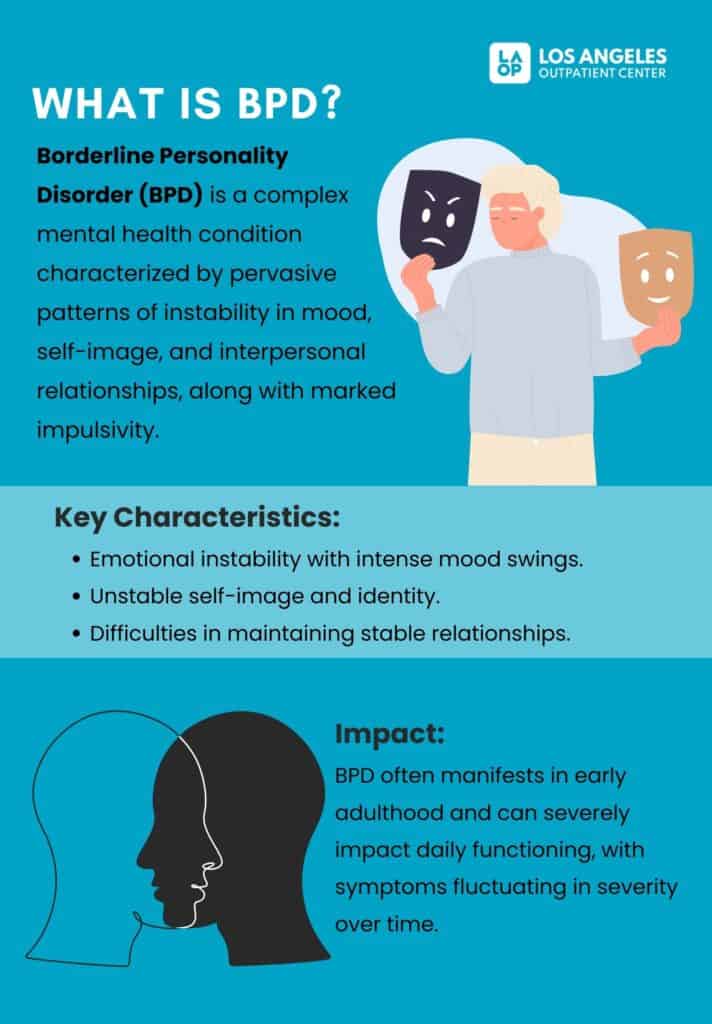
One of the first things I tell clients is that treatment for borderline personality disorder is not about “fixing” a broken person. It is about helping someone understand patterns that feel overpowering and building skills strong enough to interrupt them. I remember a client from last spring who described her emotions as going from zero to one hundred before she even knew what had happened. She would feel rejected, panic immediately, send a string of angry texts, and then spend the rest of the night overwhelmed with regret. What helped her was not vague reassurance. It was learning how to slow the sequence down enough to recognize the trigger, name the feeling, and tolerate the distress without acting on it right away.
That is why I have a strong opinion about what good treatment should include. It cannot stay purely abstract. Insight matters, and I use it often, but insight alone is usually not enough. People with borderline personality disorder often know they are repeating painful patterns. The problem is that in the moment, emotion moves faster than reflection. The treatments I’ve seen help most are the ones that combine understanding with practical skill-building. That usually means learning emotional regulation, distress tolerance, interpersonal effectiveness, and ways to recover after conflict instead of escalating it further.
I also think one of the biggest mistakes people make is assuming treatment should produce smooth, linear progress. It rarely works that way. I remember a young man who made significant progress in therapy, then had a difficult rupture in a relationship and felt as if he had lost everything he had worked for. He had not. What actually happened was something I see often: old patterns resurfaced under stress, but this time he could identify them faster and repair more thoughtfully. That still counts as growth. In fact, I would say it is one of the clearest signs that treatment is working.
Another issue I encounter is people staying too long with providers who are not equipped for this kind of work. A client once told me she had spent months in therapy talking about weekly crises without ever being helped to see the structure underneath them. She did not need more passive listening. She needed treatment with more direction. I do not recommend a vague approach for borderline personality disorder, especially when someone is dealing with repeated instability in relationships, mood, and self-image.
From where I sit, the best borderline personality disorder treatments are grounded, structured, and compassionate. They do not shame people for having intense feelings, but they also do not excuse destructive behavior. They help clients build the ability to pause, reflect, and choose differently. I’ve seen people who once felt trapped in cycles of conflict and despair become more stable, more self-aware, and far less afraid of their own emotions. That kind of progress is hard-earned, but it is absolutely possible.