By
By I’ve been working in mold remediation and water damage restoration for more than ten years, much of that time spent along Florida’s Gulf Coast. I’m IICRC-certified, but more importantly, I’ve handled enough real homes in Sarasota to know that mold removal Sarasota requires a different approach than it does in drier parts of the country. Sarasota’s mix of heat, humidity, seasonal storms, and coastal air creates conditions where mold doesn’t need much encouragement.
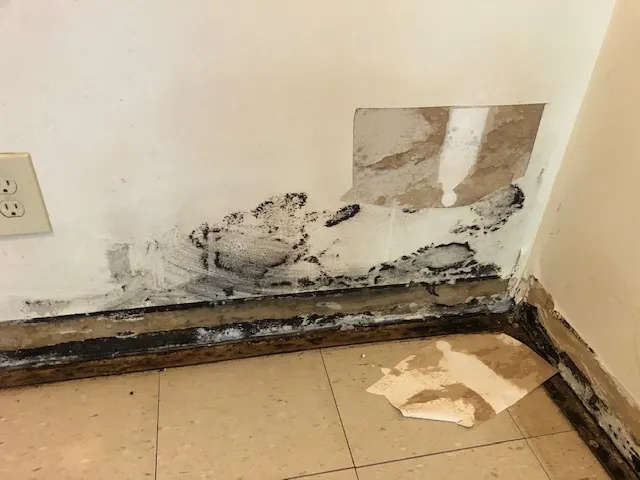
One of the first Sarasota jobs that stuck with me involved a house that had no visible mold at all. The homeowner’s complaint was a persistent musty smell that came and went with the weather. After checking moisture levels, we traced the issue to condensation forming inside exterior walls during temperature swings. The drywall looked fine, but inside the cavity, mold had been quietly spreading. That job reinforced something I still tell people today: by the time mold is visible, it’s usually not the beginning of the problem.
A common mistake I see homeowners make is assuming mold only follows major water events. In Sarasota, slow moisture is often the bigger issue. I’ve opened up walls where the source turned out to be a barely noticeable HVAC issue or poor airflow behind furniture placed against exterior walls. One job last spring involved a condo where the owner cleaned surface spots repeatedly, thinking it was a housekeeping issue. The real cause was an AC system that wasn’t dehumidifying properly, feeding the same problem over and over.
Another misunderstanding is how removal actually works. I’ve walked into homes where someone had already sprayed cleaners or foggers throughout the space, believing the job was done because the smell changed. Mold removal isn’t about masking or killing spores in place. In my experience, physical removal under containment, controlled airflow, and moisture correction are what determine whether the problem returns. Skipping any of those steps might save time up front, but it almost guarantees repeat issues.
Sarasota homes also present structural challenges that affect remediation. Slab construction, tight building envelopes, and older properties with retrofitted insulation all change how moisture moves. I once worked on a house near the coast where salt air accelerated corrosion in the HVAC system, leading to chronic condensation. Without understanding how those local factors interact, it’s easy to treat symptoms instead of causes.
From a professional standpoint, I’m cautious about rushed mold work. I’ve had homeowners push for speed because they wanted rooms back quickly or were worried about disruption. The jobs that fail later are usually the ones where containment was minimized or drying time was shortened. Mold doesn’t care about schedules—it responds to conditions. If moisture remains, it comes back.
I also see confusion around how much mold is “too much.” Small areas can still indicate bigger hidden problems, while larger visible areas aren’t always as severe as they look. That’s why proper inspection matters. I’ve found that the most effective mold removal in Sarasota starts with understanding the building, not just the growth.
After years of doing this work locally, I’ve learned that successful mold removal here isn’t aggressive or dramatic. It’s methodical, patient, and grounded in how Sarasota homes actually behave. When remediation is done with that understanding, the space doesn’t just look better—it stays stable, and that’s what really matters.